How to Choose Craft Paper: Weight, Finish and Grain
Weight, finish and grain decide how paper cuts, folds and holds its shape. Here is how to read a pack label and pick the right sheet for each project.
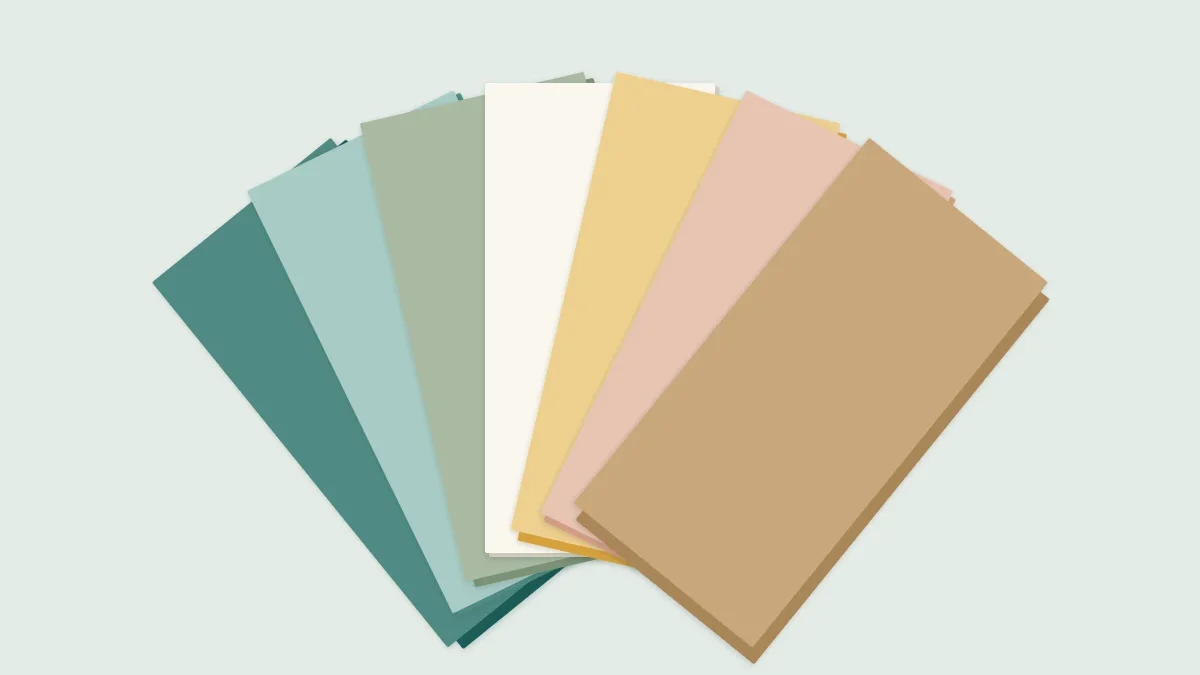
A project often succeeds or fails before the first cut, at the moment the paper is chosen. A box made from paper that is too light collapses; a garland made from card that is too heavy hangs stiffly; a fold made against the grain cracks. The many types of craft paper on sale differ in three properties that matter far more than color: weight, finish and grain. Understanding those three makes almost every buying decision straightforward.
Weight: the number that matters most
Paper weight is printed on the pack in pounds (lb), in grams per square meter (gsm), or both. The gsm figure is the more reliable of the two. It measures the same thing for every kind of paper, so a higher number always means a heavier, generally stiffer sheet.
Pound weights are less direct, because they depend on the category the paper belongs to. An 80 lb text paper is a flexible sheet of roughly 120 gsm, while an 80 lb cover paper is firm cardstock of about 216 gsm. When a pack gives only pounds, check whether it says text or cover, or simply handle the sheet.
| Weight | What it feels like | Good for |
|---|---|---|
| 20–24 lb bond (75–90 gsm) | Ordinary printer paper | Practice, templates, snowflakes, weaving strips |
| 60–80 lb text (90–120 gsm) | Flexible, slightly substantial | Patterned layers, envelopes, collage, quilling strips |
| 65 lb cover (176 gsm) | Light cardstock | Card layers, garlands, rosettes, leaves, small boxes |
| 80 lb cover (216 gsm) | Standard cardstock | Card bases, gift boxes, tags, wall pieces |
| 100–110 lb cover (270–300 gsm) | Heavy, rigid card | Sturdy card bases and structural parts |
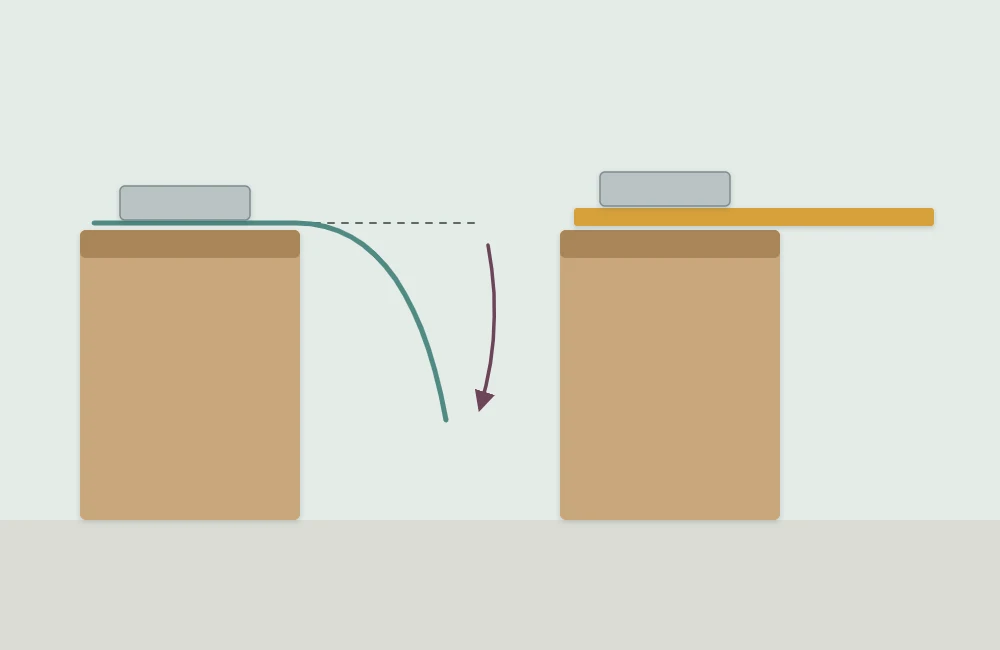
As a rule of thumb, anything that must stand up, hold a box shape or act as a base needs cover weight. Anything that must curve, wrap, roll or pile up in layers is easier in text weight. Sheets from 65 lb cover upward should be scored before folding.
The main types of craft paper
- Cardstock. The workhorse. Sold in single colors in US Letter (8.5 × 11 in) and 12 × 12 in sheets, and in A4 outside North America. Solid-color packs in 65 lb and 80 lb cover handle most projects.
- Printer paper. Cheap, consistent and ideal for practice, test cuts and paper templates.
- Patterned paper. Usually text weight and printed on one or both sides. It is best used as a decorative layer over cardstock rather than as structure.
- Kraft paper and kraft card. Brown, unbleached and slightly rough. It takes glue well and gives a warm, plain look to tags, boxes and wrapping.
- Vellum and translucent paper. Semi-transparent sheets for overlays and lantern panels. They show glue through the surface, so adhesive has to be hidden behind another layer.
- Tissue and crepe paper. Very light and delicate; useful for soft textures and wrapping, less so for anything that needs a clean cut edge.
- Handmade and textured papers. Irregular, fibrous sheets that work beautifully as backgrounds and collage elements. It is also possible to make your own sheets from scrap paper.
Finish and core
Finish is the surface of the sheet. Smooth, uncoated paper is the easiest to cut, score and glue, and is the safest choice for a first purchase. Textured finishes such as linen or canvas add interest to plain shapes but can make fine knife work slightly harder. Glossy, pearl and metallic papers have a coating that resists some adhesives, so a glue stick may let go over time; the guide to matching adhesive to paper covers what holds on coated surfaces.
Core is what lies beneath the surface. Solid-core cardstock is dyed all the way through, so a cut or torn edge shows the same color as the face. White-core paper has color only on the surface, and its edges and folds show white. Neither is better in general, but white core is noticeable on dark sheets, where every cut edge appears as a pale line. For layered work and exposed folds, solid core gives the cleaner result.
Grain direction
Paper is made of fibers, and during manufacture most of them line up in one direction. That direction is the grain. A fold made parallel to the grain is smooth and stays flat. A fold made across it resists, and on heavier card it may crack or look rough along the outside of the crease.
To find the grain, hold a sheet loosely and bend it gently, without creasing, first one way and then the other. One direction gives easily and the other pushes back. The grain runs parallel to the easier bend, along the length of the curved “tunnel” the sheet forms.
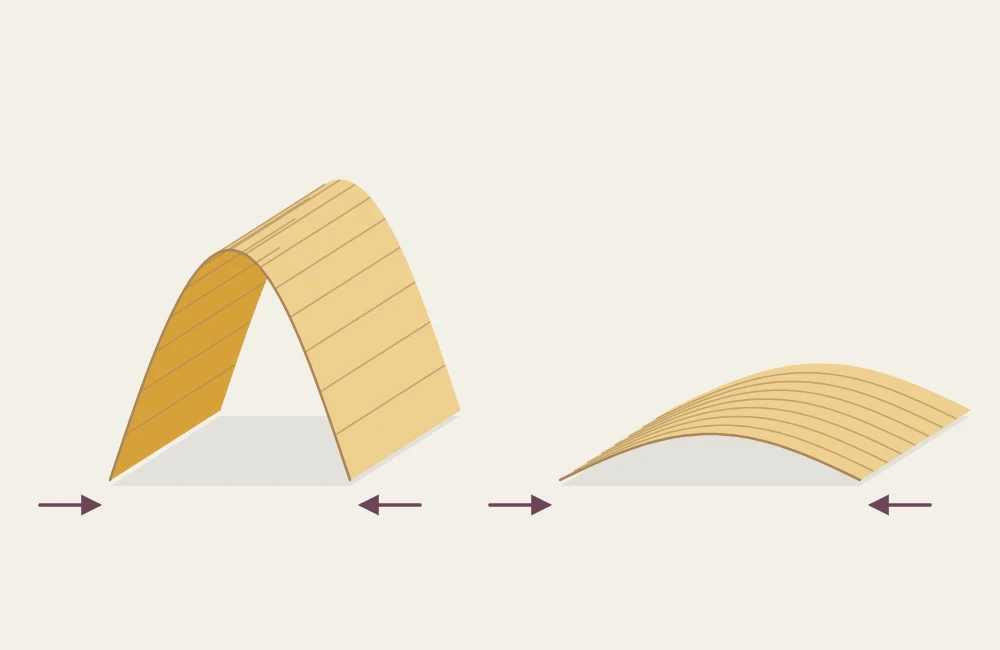
Grain matters most for card bases, box walls and anything rolled into a cylinder. Whenever a pattern piece can be turned either way on the sheet, place the main fold along the grain. When it cannot, careful scoring makes up most of the difference, as explained in the guide to scoring and folding for crisp creases. Grain also explains why a sheet curls when wet glue is applied: the fibers swell more across their width than along their length, so the paper curls around the grain direction.
Paper that lasts
For pieces meant to be kept or framed, look for packs labeled acid-free, and ideally lignin-free as well. Paper containing acid or lignin tends to yellow and become brittle with age, which is why old newspapers discolor so quickly. Storage matters too: flat, dry, and out of direct sunlight. The Library of Congress publishes general guidance on the care, handling and storage of works on paper that applies just as well to handmade pieces at home.
Tip
Write the weight and finish in pencil on the back corner of a leftover sheet from each pack. Once the wrapper is gone, cardstock in similar colors is very hard to tell apart.
A short buying plan
A first paper purchase can be small and still cover most projects:
- One pack of smooth, solid-core cardstock in mixed colors, 65 lb (176 gsm).
- One pack of white or cream cardstock, 80 lb (216 gsm), for card bases and boxes.
- A ream of plain printer paper for practice and templates.
- A small pad of patterned text-weight paper, chosen in a limited palette so the sheets work together.
Buy specialty papers such as vellum, metallics and handmade sheets one or two at a time, for a specific project. They are easier to choose well once you know how you want to use them, and paper bought without a purpose tends to stay in the drawer.
Frequently asked questions
What is the difference between lb and gsm?
Gsm is grams per square meter and means the same thing for every paper. Pound weights depend on the paper category, so 80 lb text is a flexible sheet of about 120 gsm while 80 lb cover is firm cardstock of about 216 gsm. When in doubt, compare gsm.
What weight of cardstock is best for card bases?
80 lb cover (about 216 gsm) is a dependable choice that stands up well and still folds cleanly once scored. Heavier card up to about 110 lb cover (300 gsm) gives a stiffer card but needs careful scoring.
How can I tell which way the grain runs?
Bend the sheet gently in both directions without creasing it. It bends more easily in one direction, and the grain runs parallel to that easier bend. Folds made along the grain are smoother.
Does acid-free paper matter for craft projects?
It matters for anything you want to keep or frame, because paper containing acid or lignin tends to yellow and turn brittle over time. For practice pieces and short-lived decorations it is less important.